 EN
EN
 عربي
عربي
CHEMICAL PEELS
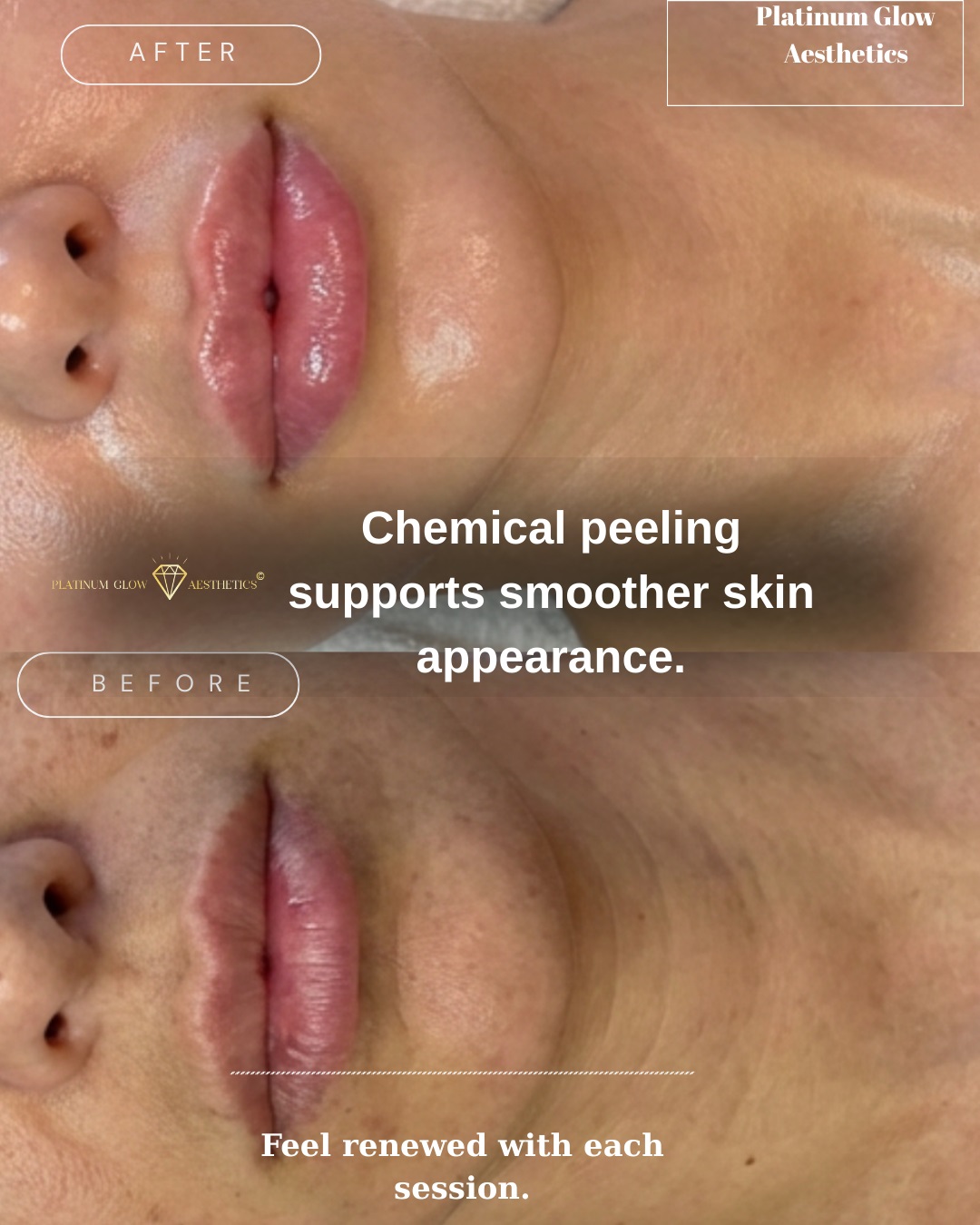
Special offer package: Platinum pout & Glow: 1 session Biorepeel & Russian lips 1ml now £350! - Book now limited slots
What Is a Chemical Peel and How Does It Improve the Skin?
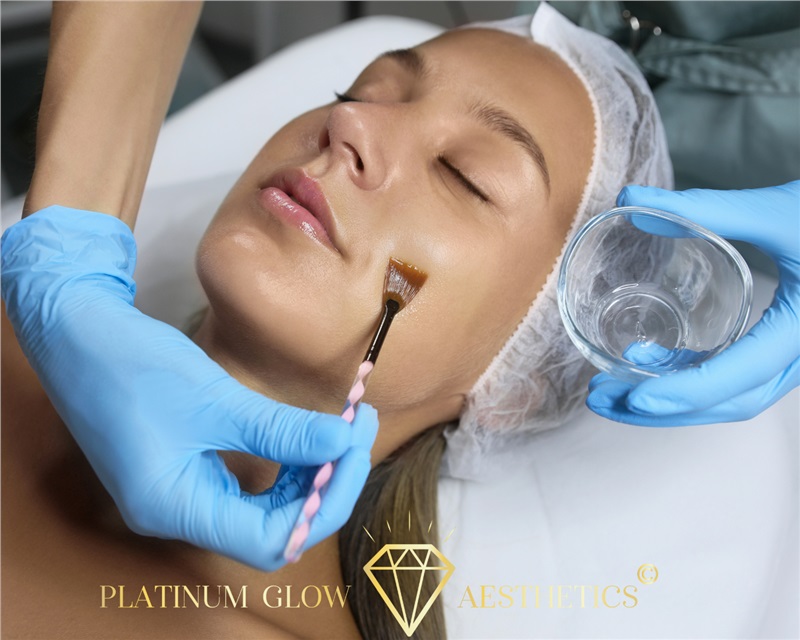
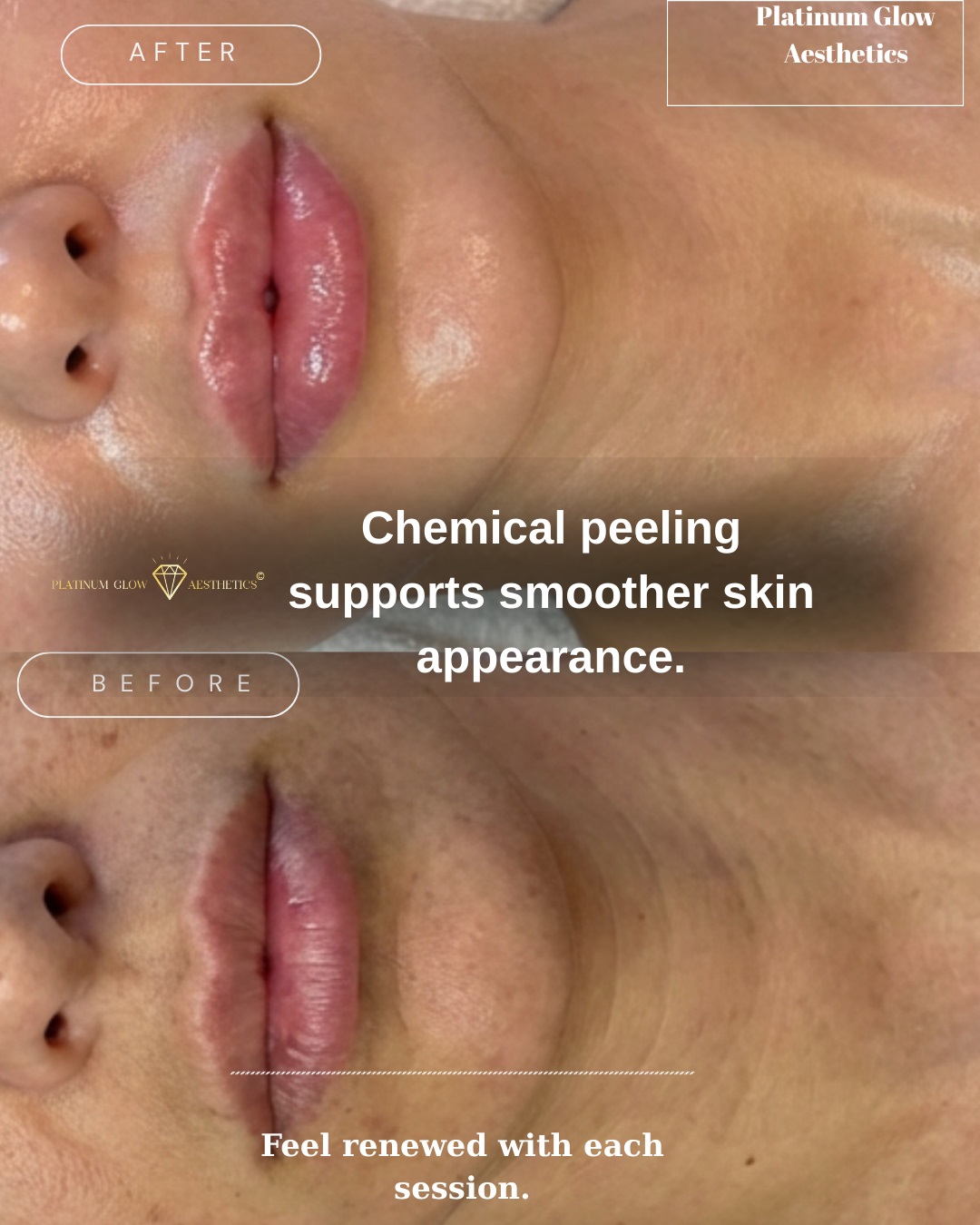
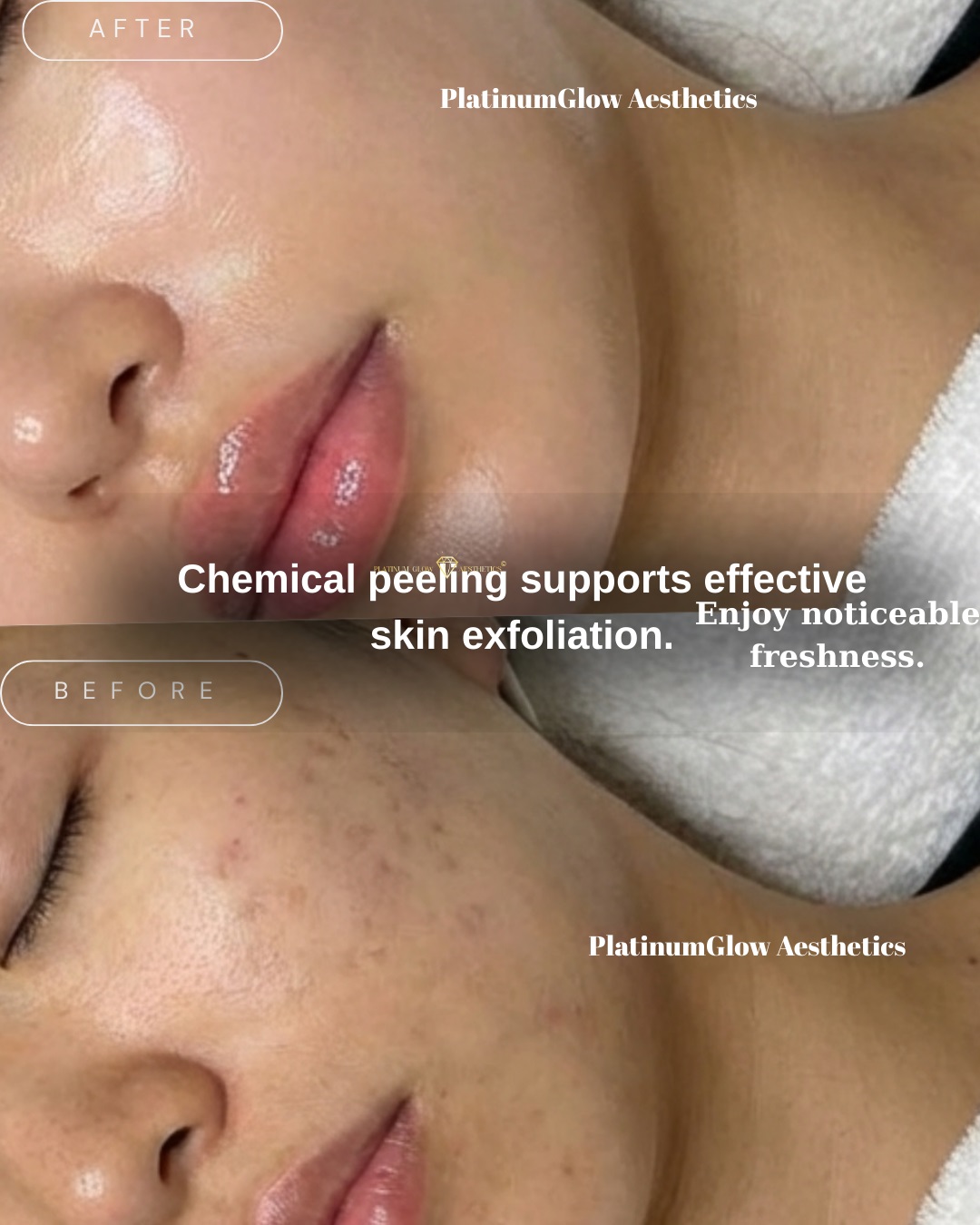
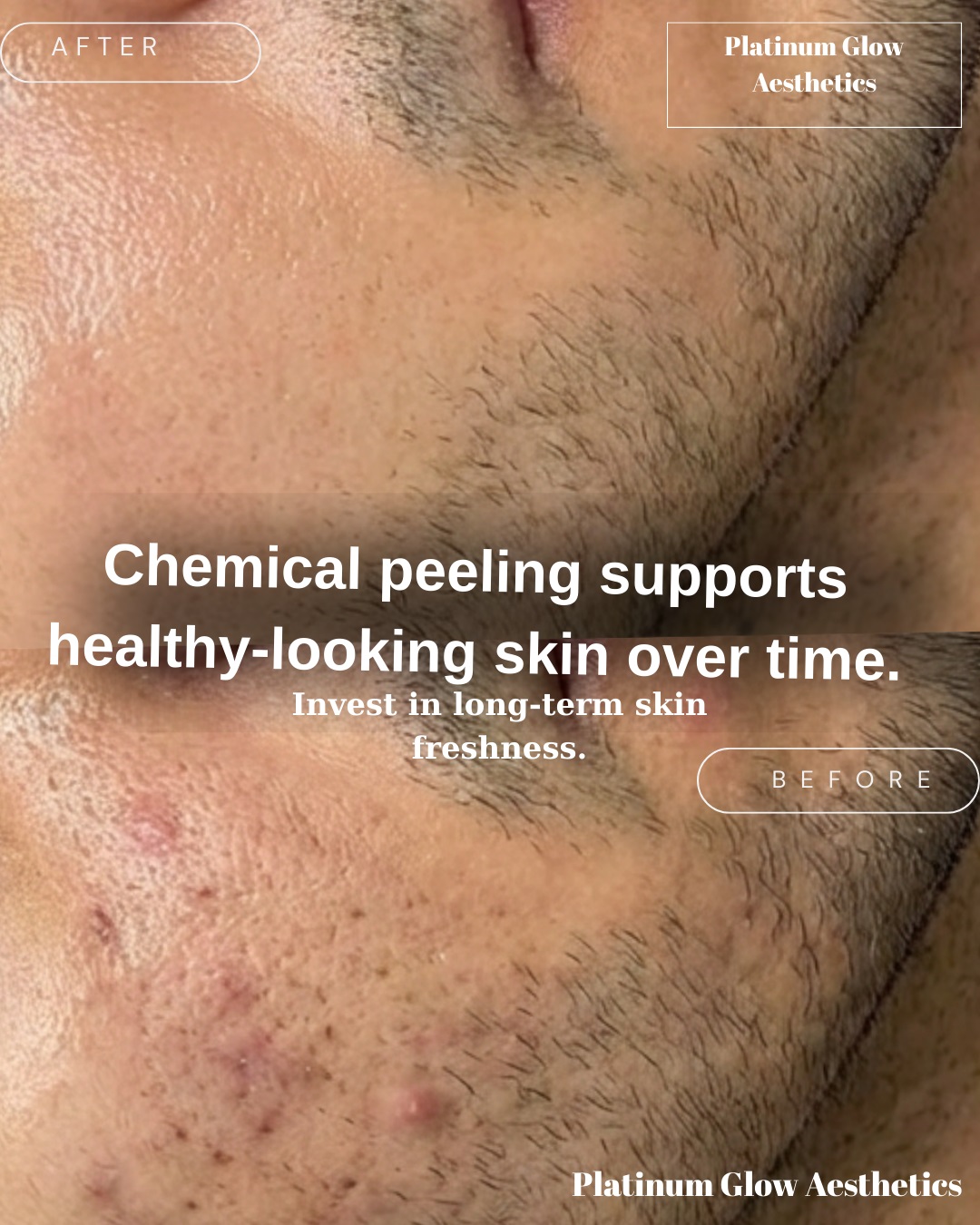
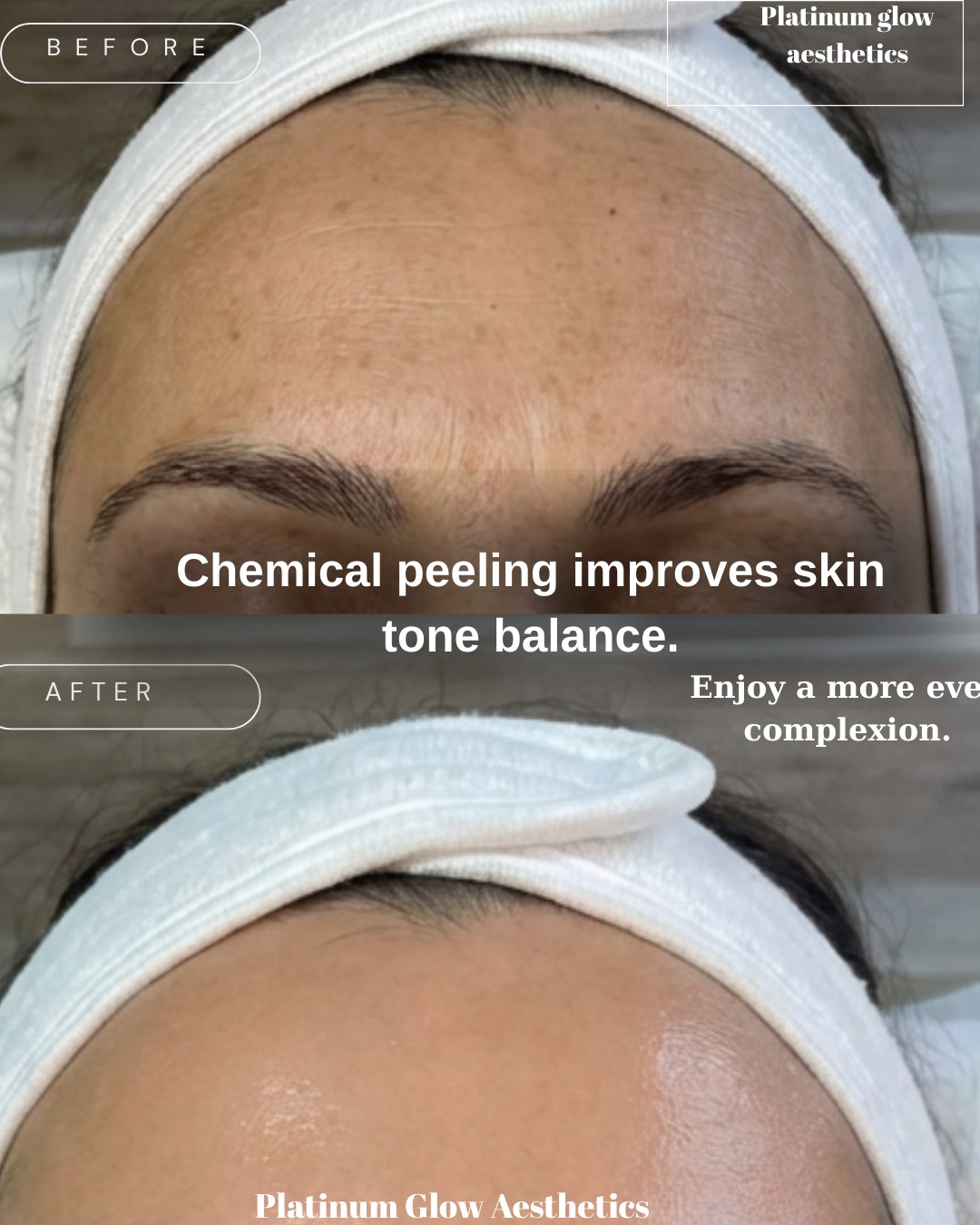
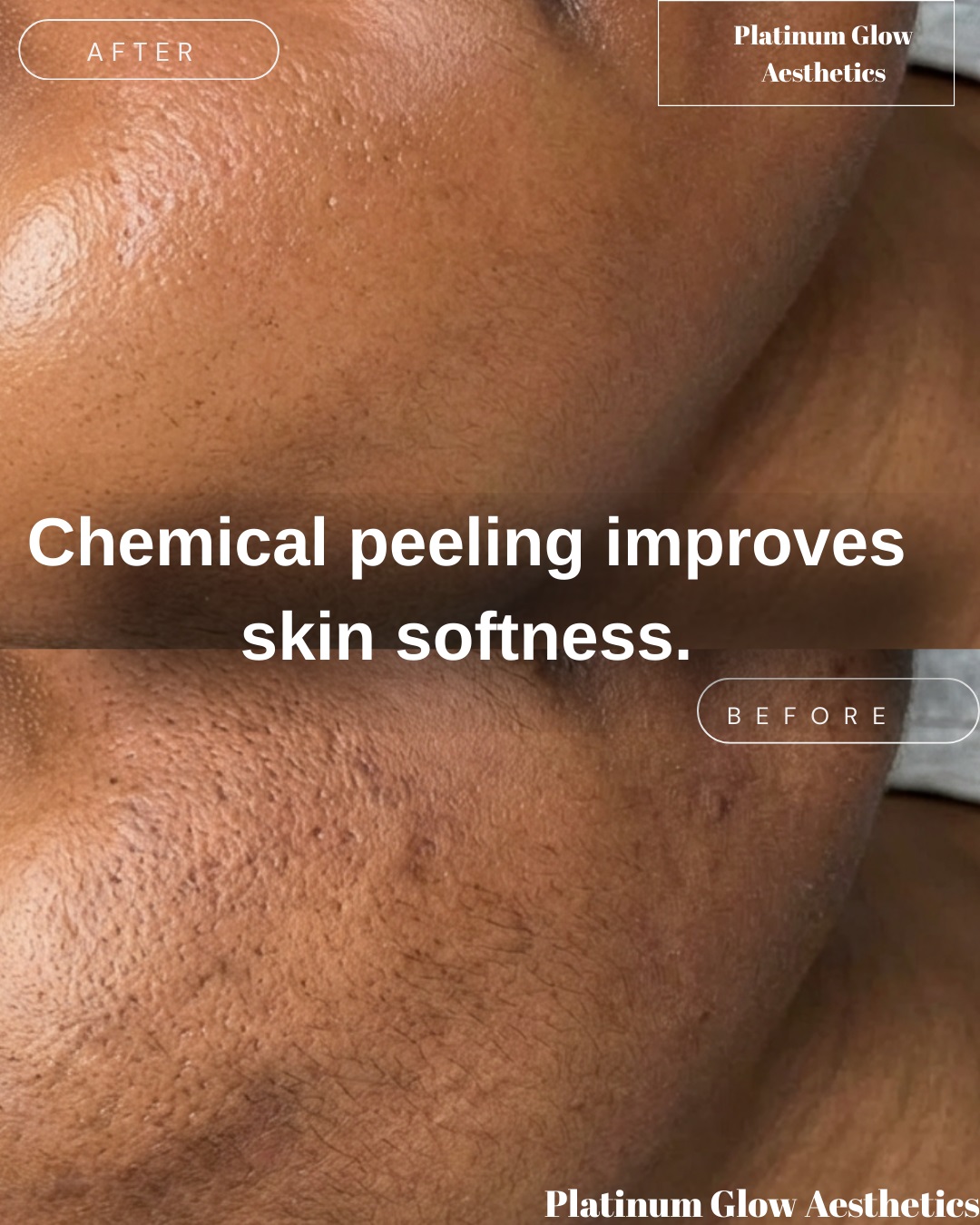
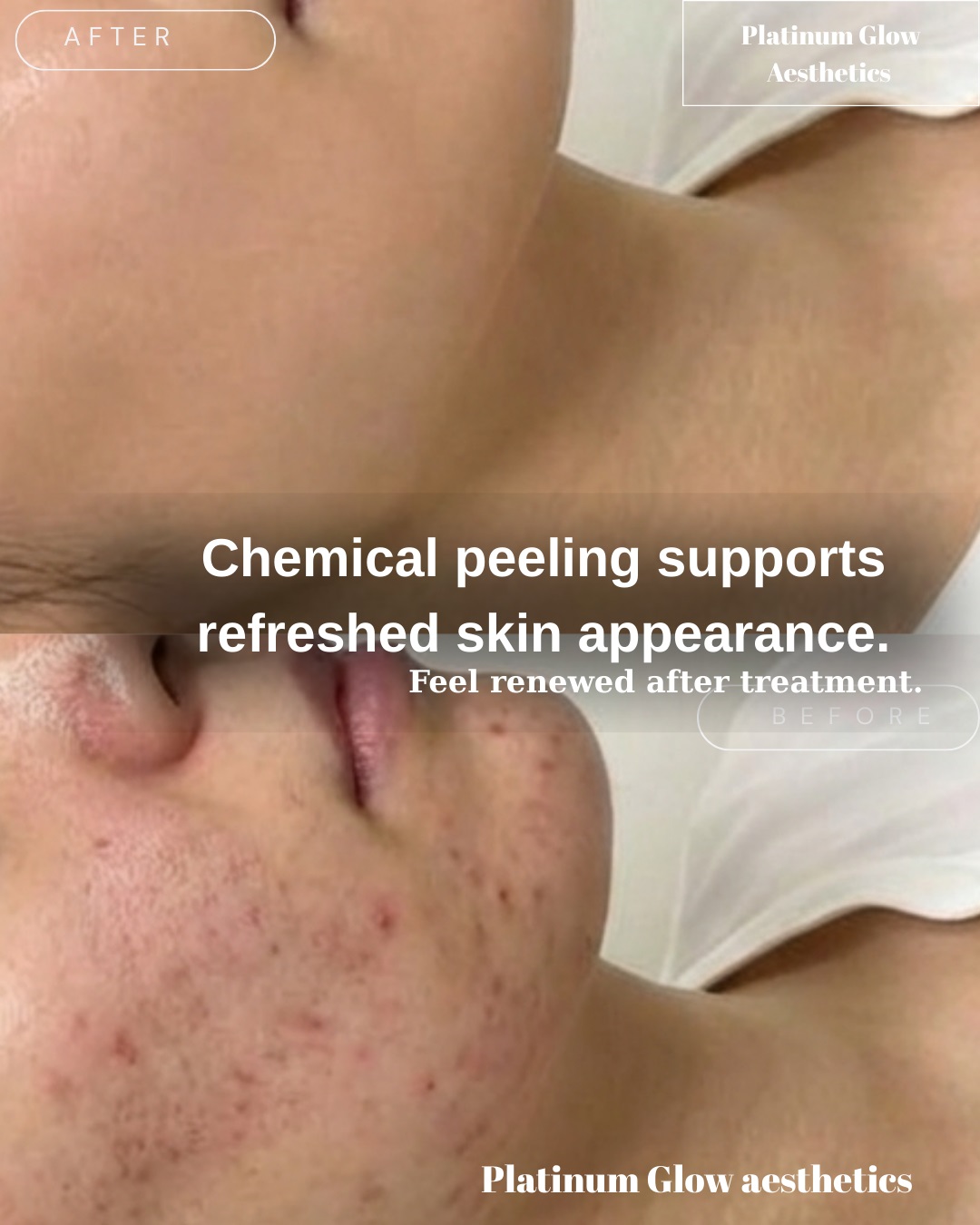
Chemical peels are professional skin treatments designed to improve skin quality, texture and brightness by removing damaged outer layers of skin and stimulating new skin cell renewal. At Platinum Glow Aesthetics in London we offer advanced skin peels including biorepeelcl3, tca chemical peel, glycolic peel and salicylic acid peel treatments tailored to different skin concerns. These treatments help improve acne, pigmentation, fine lines, dull skin, uneven skin tone and enlarged pores. A professional face peel encourages collagen production and skin regeneration which leads to smoother, healthier and brighter looking skin over time.
What Is BioRePeelCl3 and Why Is It One of the Best Chemical Peel Treatments?
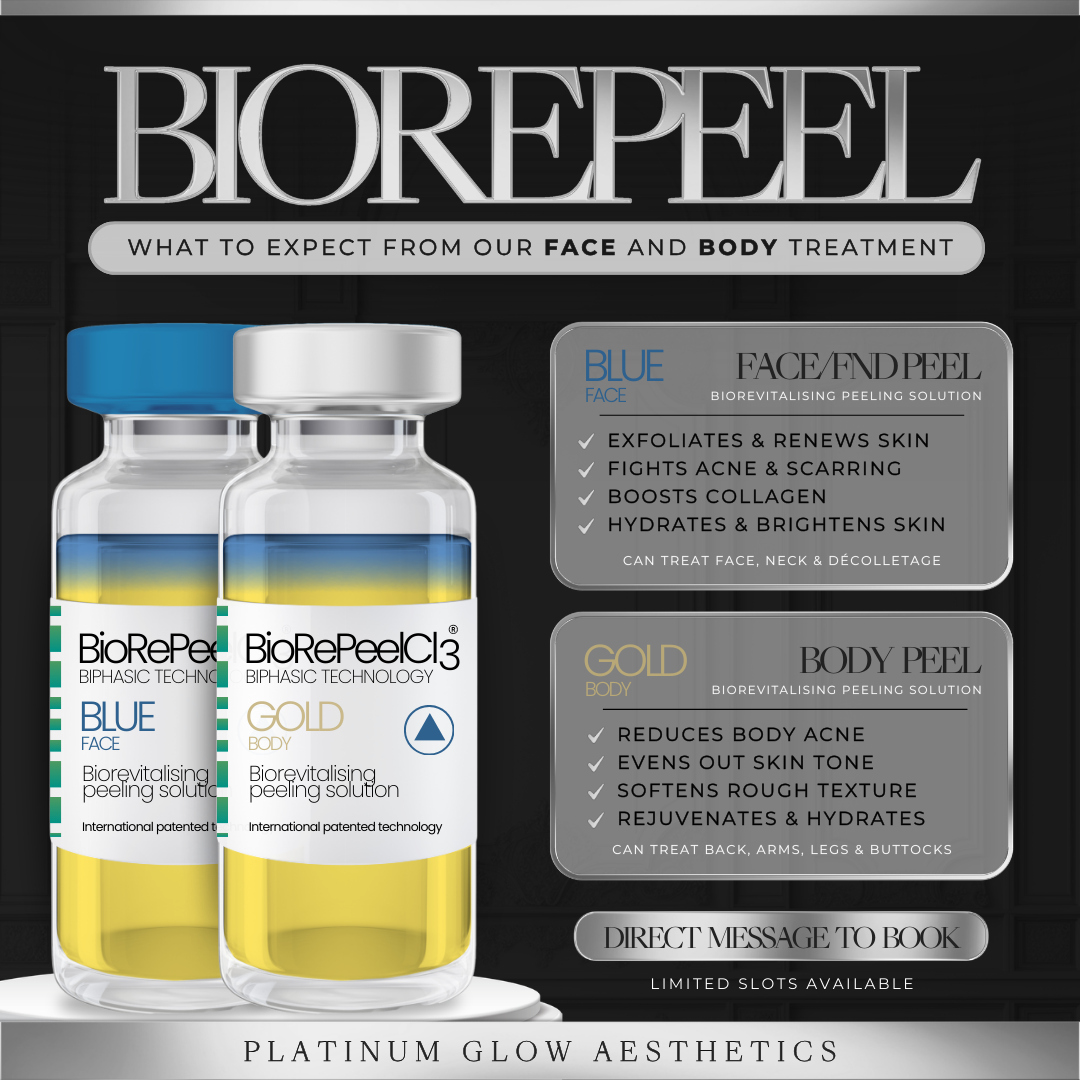
BioRePeelCl3 is an advanced tca peel designed to provide powerful skin rejuvenation while minimising downtime. Unlike traditional tca chemical peel treatments which often cause significant visible peeling, biorepeelcl3 uses a unique biphasic technology that stimulates skin renewal while gently exfoliating the skin. This treatment contains trichloroacetic acid combined with amino acids, vitamins and antioxidants that improve skin hydration, stimulate collagen production and support healthy skin regeneration. Many patients choose biorepeelcl3 because it is considered one of the best chemical peel treatments for improving skin tone, texture and overall skin quality without significant recovery time.
What Skin Concerns Can a Chemical Peel Treat?
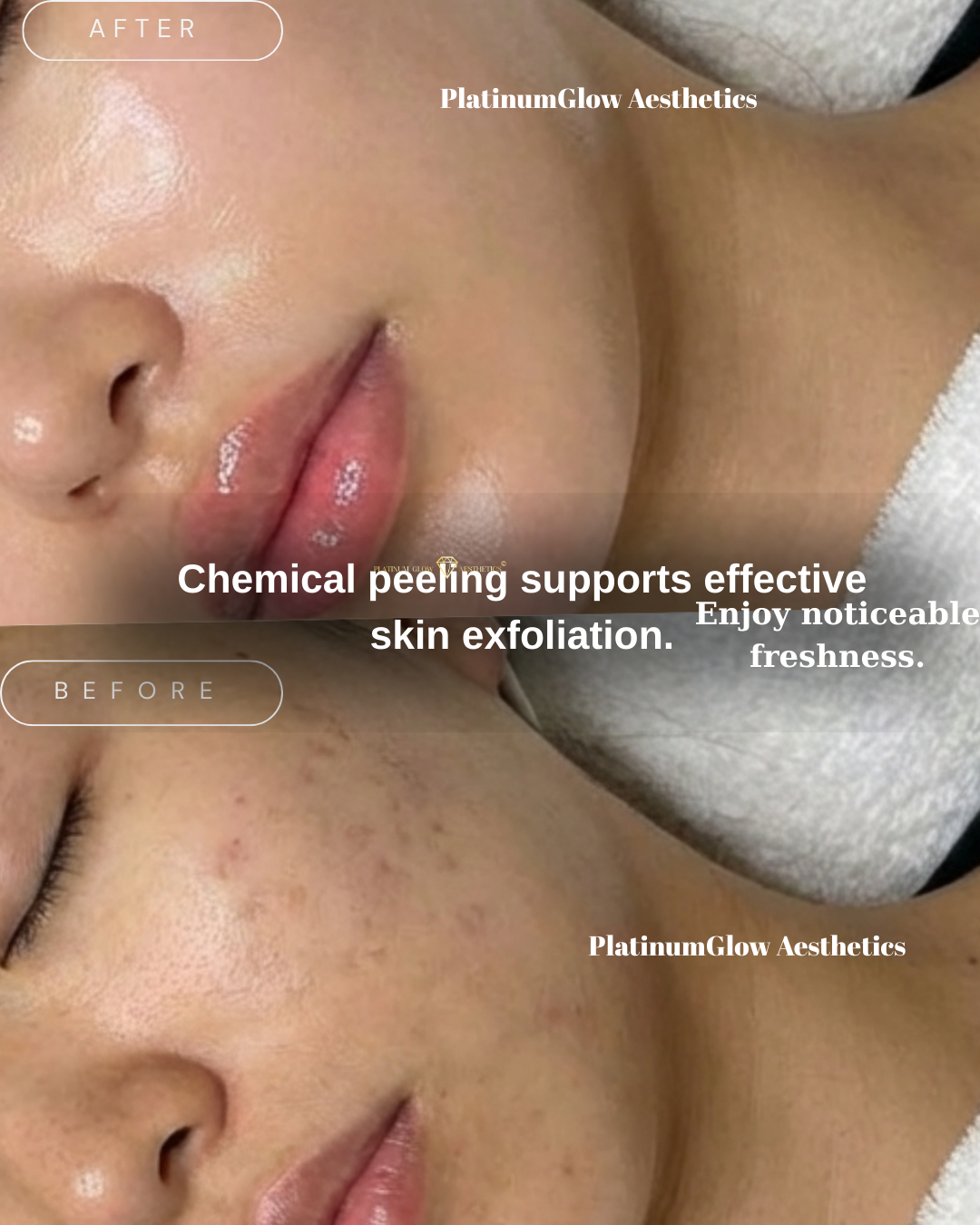
Professional skin peels are commonly used to treat a wide range of skin concerns. A chemical peel can improve acne and acne scars, pigmentation, sun damage, dull skin, fine lines, uneven skin tone and rough skin texture. Treatments such as biorepeelcl3 and tca chemical peel stimulate skin regeneration which helps reveal brighter and smoother skin. Glycolic peel treatments are often used to improve skin brightness and mild pigmentation while salicylic acid peel treatments are particularly effective for acne prone skin and clogged pores.
What Is the Difference Between a TCA Chemical Peel and BioRePeel?
A traditional tca chemical peel penetrates deeper layers of the skin to stimulate collagen production and skin regeneration. These peels are effective for treating pigmentation, acne scars and signs of ageing but may involve several days of visible peeling and recovery. BioRePeelCl3 is a newer generation tca peel that combines trichloroacetic acid with additional active ingredients to improve results while reducing downtime. This makes biorepeelcl3 a popular option for patients who want the benefits of a tca peel while maintaining a more comfortable recovery.
What Is a Glycolic Peel and How Does It Work?
A glycolic peel uses alpha hydroxy acid derived from sugar cane to exfoliate the outer layers of the skin. This face peel improves skin brightness, smoothness and texture while helping reduce mild pigmentation and early signs of ageing. Glycolic peel treatments are often used as part of regular skin maintenance to keep the skin looking fresh and rejuvenated.
What Is a Salicylic Acid Peel and Who Is It Best For?
A salicylic acid peel is particularly beneficial for patients with oily or acne prone skin. Salicylic acid is a beta hydroxy acid that penetrates into the pores to dissolve excess oil and remove dead skin cells. This helps unclog pores, reduce inflammation and improve acne breakouts while improving overall skin clarity. Salicylic acid peel treatments are commonly used as part of acne treatment programmes.
Why Are Skin Peels Popular for Skin Rejuvenation?
Skin peels remain one of the most popular non surgical skin rejuvenation treatments because they provide visible improvements in skin quality without invasive procedures. A professional face peel encourages skin renewal and collagen production which improves the overall health and appearance of the skin. Treatments such as biorepeelcl3, glycolic peel and salicylic acid peel can be performed as part of a skin maintenance programme to keep the skin looking bright, smooth and youthful.
What Makes BioRePeelCl3 a Popular Face Peel Treatment?
BioRePeelCl3 has become one of the most requested chemical peel treatments because it combines the benefits of a tca chemical peel with additional ingredients that support skin health and regeneration. The treatment works beneath the surface of the skin to stimulate collagen production while gently exfoliating the outer layer of skin. This helps improve skin texture, reduce imperfections and restore a healthy glow. Many patients choose biorepeelcl3 because it offers effective skin rejuvenation with minimal disruption to daily activities.
Can Chemical Peels Help Body Acne and Dark Spots on the Back?
Chemical peels are not only used on the face but are also highly effective for treating body acne and pigmentation concerns. Many people experience persistent breakouts and dark spots on back caused by acne, sweat, friction from clothing or hormonal changes. Professional skin peels such as biorepeelcl3, salicylic acid peel and tca chemical peel help exfoliate clogged pores, reduce inflammation and improve the appearance of buttock spots and body acne.
These treatments work by removing damaged skin cells and stimulating skin regeneration. Over time this helps reduce acne lesions, smooth uneven skin texture and lighten post-inflammatory pigmentation. Clients with acne on the back, shoulders or buttocks often benefit from a course of treatments to gradually improve skin clarity and reduce the appearance of dark marks left by previous breakouts.
How Many Sessions of BioRePeel Are Needed for Best Results?
The number of biorepeelcl3 sessions required depends on the skin concern being treated. Most patients benefit from a course of 4 to 6 sessions, spaced approximately 7 to 14 days apart. Because biorepeelcl3 is an advanced tca peel that stimulates skin renewal while remaining gentle on the skin, it can be performed regularly as part of a skin rejuvenation programme.
Patients treating acne, pigmentation or uneven texture may require multiple sessions to gradually improve the skin. Regular treatments help stimulate collagen production, improve hydration and refine pores. Many patients continue with maintenance treatments every few months to maintain healthy skin and long-term skin quality.
Can BioRePeel Be Combined With Microneedling?
Biorepeelcl3 can also be combined with microneedling to enhance results and improve overall skin rejuvenation. Microneedling creates controlled micro-channels in the skin which stimulate collagen production and increase the absorption of active ingredients. When biorepeelcl3 is used alongside microneedling, it allows the active components within the peel to penetrate more effectively, improving skin renewal and regeneration.
This combination treatment is commonly used to improve acne scars, pigmentation, enlarged pores and dull skin. Patients seeking overall skin improvement often benefit from combining biorepeelcl3 with microneedling as part of a comprehensive skin treatment plan.
Chemical Peel vs Microneedling – Which Treatment Is Better?
Many patients ask about chemical peel vs microneedling when deciding on the best treatment for their skin. Both treatments improve skin quality but they work in different ways.
A chemical peel exfoliates the outer layers of skin and removes damaged skin cells, helping improve pigmentation, acne and uneven skin tone. Microneedling works by stimulating collagen production within the deeper layers of the skin using tiny micro-needles that trigger natural healing and regeneration.
When comparing microneedling vs chemical peel, the best option often depends on the skin concern. Chemical peels such as biorepeelcl3 or glycolic peel are particularly effective for pigmentation, acne and dull skin. Microneedling is often used for improving acne scars, enlarged pores and skin texture.
For some patients, combining both treatments provides the most effective results.
Microneedling vs Chemical Peel for Hyperpigmentation
When treating pigmentation concerns, patients often ask about microneedling vs chemical peel for hyperpigmentation. Chemical peels are often the first line treatment because they exfoliate the skin and help remove excess pigment from the outer layers of the skin.
Treatments such as biorepeelcl3 and glycolic peel can help brighten the skin and reduce pigmentation over multiple sessions. Microneedling may also be used alongside peels to stimulate collagen and improve overall skin tone. Combining both treatments can help improve stubborn pigmentation and achieve more even skin tone.
What Happens if Peeling Occurs After Microneedling?
Some patients may experience mild peeling after microneedling depending on the skin condition and the treatment intensity. This occurs because the skin begins a natural renewal process after microneedling stimulates collagen production. Mild flaking or peeling is usually temporary and part of the skin’s healing response.
When microneedling is combined with treatments such as biorepeelcl3, the skin renewal process can be enhanced, leading to brighter and smoother skin as new skin cells replace damaged ones.
Can Microneedling Help Orange Peel Skin Texture?
Microneedling is often used to improve uneven skin texture sometimes described as microneedling orange peel skin. This texture can occur due to enlarged pores, acne scarring or reduced collagen levels in the skin. Microneedling stimulates collagen production which helps smooth the skin and improve overall texture.
Combining microneedling with treatments such as biorepeelcl3 or other chemical peels can further enhance results by encouraging skin renewal and improving overall skin quality, it also
Should You Have a Chemical Peel or Microneedling First?
Patients sometimes ask whether they should have a chemical peel or microneedling first. In many treatment plans a chemical peel is performed first to exfoliate the skin and remove dead skin cells. This prepares the skin for microneedling and allows active ingredients to penetrate more effectively.
However, treatment plans vary depending on the individual skin condition and concerns being treated. A professional consultation helps determine the best combination and order of treatments for optimal results.
Contact us today to book your appointment



-
Avoid direct sun exposure and apply a broad-spectrum SPF daily to protect the skin while it heals after a chemical peel.
-
Keep the skin well hydrated using a gentle moisturiser and avoid harsh skincare products such as retinoids, exfoliating acids or scrubs for several days.
-
Do not pick, peel or scratch the skin if flaking occurs, as this can cause irritation or pigmentation.
-
Avoid heat treatments such as saunas, steam rooms, hot showers and intense exercise for at least 24–48 hours.
-
Use a gentle cleanser and follow the aftercare advice provided to support proper healing and the best results from your chemical peel treatment.